Time: Popularity:0times
In the evolving landscape of surface finishing and adhesion solutions, finding a coating that balances versatility, environmental responsibility, and reliable performance is key. Polyvinyl acetate powder coating emerges as a standout choice, leveraging the unique properties of polyvinyl acetate (PVA) resin to deliver exceptional adhesion, flexibility, and low environmental impact. Unlike solvent-based adhesives or rigid powder coatings that limit application scope, polyvinyl acetate powder coating is engineered to bond with a wide range of substrates—from wood and paper to metal and composites—while offering a smooth, durable finish. As a water-soluble, low-VOC solution, it aligns with modern sustainability goals, making it ideal for industries prioritizing eco-conscious production. Whether enhancing packaging, woodworking, or industrial components, polyvinyl acetate powder coating proves that functionality and environmental care can coexist seamlessly.
What sets polyvinyl acetate powder coating apart from conventional coatings and adhesives is its dual-purpose design: it acts as both a protective finish and a high-performance adhesive. The PVA resin’s inherent flexibility allows it to adapt to substrate movement without cracking, while its hydrophilic properties enable water-based activation—eliminating the need for harsh solvents. Its powder form ensures precise application and minimal waste, with excess material recyclable for cost efficiency. Available in customizable formulations (adjustable for adhesion strength, curing speed, and finish), polyvinyl acetate powder coating caters to diverse needs, from temporary bonding in packaging to permanent protection in industrial ttings. This fusion of adhesion versatility, eco-friendliness, and practicality makes it a trusted solution for manufacturers, crafters, and project managers alike.
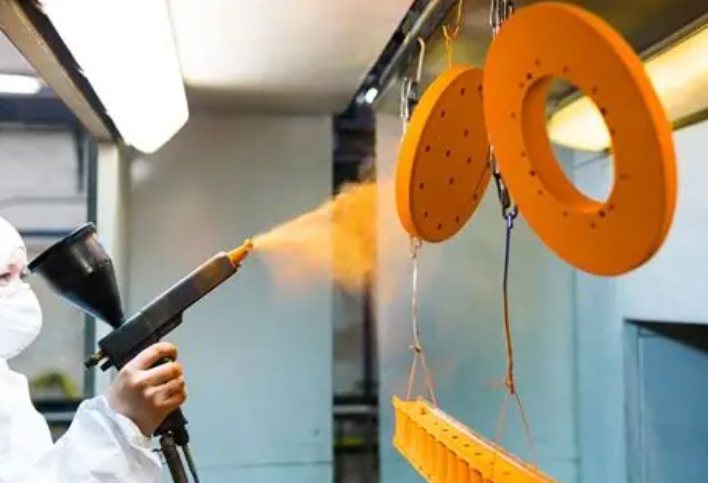
Polyvinyl acetate powder coating’s superiority stems from its unique resin properties and thoughtful formulation, addressing key pain points like substrate compatibility, environmental impact, and application flexibility. Let’s explore the attributes that make it indispensable for modern projects.
At its core is exceptional substrate versatility and adhesion strength. Polyvinyl acetate powder coating bonds seamlessly with porous and non-porous substrates, including wood, paper, cardboard, metal, plastic, and textiles. Its adhesion mechanism—activated by water or heat—creates a strong, flexible bond that withstands temperature fluctuations and minor mechanical stress. For porous materials like wood or paper, the PVA resin penetrates surface fibers to form a mechanical bond, while for metal or plastic, it adheres via electrostatic attraction during application. Unlike rigid coatings that peel from flexible substrates, polyvinyl acetate powder coating retains flexibility, making it ideal for items prone to bending or movement, such as packaging seals, fabric laminates, and wooden furniture components.
Eco-friendly formulation and low environmental impact further elevate polyvinyl acetate powder coating. As a water-soluble, low-VOC coating, it emits minimal harmful substances during application and curing, creating safer working conditions and reducing environmental footprint. Unlike solvent-based adhesives that release toxic fumes, it activates with water or low heat, aligning with global environmental regulations (such as REACH and EPA standards). Its powder form ensures high transfer efficiency (up to 90%), with excess material recyclable—minimizing waste and lowering production costs. For industries seeking green certifications or sustainable product lines, polyvinyl acetate powder coating offers a responsible alternative without compromising performance.
Flexibility and durability round out its advantages. Polyvinyl acetate powder coating cures into a flexible film that adapts to substrate expansion and contraction, making it ideal for outdoor or high-humidity environments where rigid coatings fail. Its resistance to abrasion, water, and mild chemicals ensures long-lasting protection, while its smooth finish enhances the aesthetic appeal of coated items. The coating’s customizable curing options (room-temperature water activation or low-heat curing) streamline production, accommodating both small-batch crafts and high-volume manufacturing. For temporary applications (e.g., packaging), it offers removable adhesion, while permanent formulations provide long-term protection—adding to its versatility.
Polyvinyl acetate powder coating’s dual role as adhesive and protective finish makes it ideal for diverse industries. Below are key scenarios where it truly shines, with tailored tips to maximize performance.
The packaging industry benefits greatly from polyvinyl acetate powder coating’s adhesion strength and eco-friendliness. It is ideal for coating cardboard boxes, paper bags, packaging tapes, and labels, providing a secure bond that withstands shipping and handling. The water-activated formulation eliminates solvent residue, making it safe for food packaging (compliant with FDA standards for indirect food contact). For corrugated boxes, polyvinyl acetate powder coating reinforces seams and edges, preventing tearing and moisture damage. When applying to packaging, use a film thickness of 20–40 microns and activate with a fine water mist for optimal adhesion. For labels or tapes, choose a removable formulation for easy peeling or a permanent variant for long-term sealing.
Woodworking and furniture makers rely on polyvinyl acetate powder coating for its ability to bond wood components and provide a protective finish. It is used for coating wooden furniture joints, cabinetry, flooring, and decorative wood accents. The flexible film adapts to wood movement (expansion/contraction due to humidity), preventing cracks and ensuring structural integrity. Unlike liquid wood adhesives that leave excess residue, the powder form allows precise application, reducing cleanup and waste. When applying to wood, use a film thickness of 30–50 microns and cure at 60–80°C for 15–20 minutes to enhance bond strength. For outdoor wooden furniture, select a water-resistant formulation of polyvinyl acetate powder coating to protect against moisture and UV radiation.
Textile manufacturers use polyvinyl acetate powder coating for laminating fabrics, creating durable, flexible materials for apparel, upholstery, and industrial textiles. It bonds fabric layers (e.g., cotton, polyester, nylon) without stiffening the material, retaining breathability and flexibility. The eco-friendly formulation is safe for apparel use, with no harmful residues that irritate skin. For upholstery fabrics, polyvinyl acetate powder coating adds water resistance and stain protection, extending the lifespan of furniture and textiles. When applying to fabrics, use a film thickness of 15–30 microns and activate with heat (80–100°C) for uniform lamination. For industrial textiles (e.g., tarps, banners), choose a high-strength formulation to withstand heavy use and outdoor exposure.
Industrial settings leverage polyvinyl acetate powder coating for its adhesion to metal and composite components, providing a protective layer that reduces friction and prevents corrosion. It is used for coating metal fasteners, plastic parts, and composite panels, enhancing durability and performance. The flexible film absorbs vibration, making it ideal for machinery components prone to wear. For metal substrates, polyvinyl acetate powder coating acts as a primer, improving adhesion of subsequent topcoats. When applying to industrial components, use a film thickness of 40–60 microns and cure at 100–120°C for maximum durability. For plastic parts, select a low-temperature formulation to avoid material deformation during curing.
Crafters and hobbyists value polyvinyl acetate powder coating for its ease of use, versatility, and eco-friendliness. It is ideal for paper crafts, scrapbooking, model making, and DIY projects. The water-activated adhesion allows for precise bonding of small components, while the smooth finish enhances the aesthetic of handmade items. Unlike liquid glues that dry slowly, polyvinyl acetate powder coating cures quickly (room temperature or low heat), reducing project time. When using for crafts, use a fine-mesh sieve to apply the powder evenly and activate with a small spray bottle of water. For model making or delicate paper crafts, choose a thin film thickness (10–20 microns) to avoid warping.
To fully unlock the potential of polyvinyl acetate powder coating—its adhesion, flexibility, and eco-friendliness—proper preparation, application, and curing are essential. Here’s a step-by-step guide tailored to diverse applications.
Thorough surface preparation is critical for polyvinyl acetate powder coating to bond effectively. Start by cleaning the substrate to remove dust, oil, grease, and debris—use a mild detergent for porous materials (wood, paper) and a degreaser for metal or plastic. For wood, sand the surface lightly to create a rough texture that enhances mechanical adhesion. For plastic or metal, ensure the surface is dry and free of oxidation (use sandblasting for metal if needed). Remove any loose fibers, dust, or contaminants, as these can weaken the bond. For porous substrates, pre-moisten slightly (avoid soaking) to activate the PVA resin’s adhesion properties. Proper preparation ensures polyvinyl acetate powder coating forms a strong, long-lasting bond with the substrate.
Polyvinyl acetate powder coating can be applied via multiple methods—spraying, sieving, or electrostatic application—depending on the substrate and project scale. For small crafts or precise applications, use a fine sieve to sprinkle the powder evenly. For large-scale projects (e.g., packaging, furniture), use electrostatic spray equipment to ensure uniform coverage. Adjust the film thickness based on the application: 10–20 microns for crafts, 20–40 microns for packaging, 30–60 microns for industrial components. Activate the powder with water (mist spray) or heat (60–120°C) according to the formulation: water activation is ideal for porous substrates, while heat activation works best for non-porous materials. Ensure even activation to avoid uneven adhesion or curing.
Curing time and temperature vary by formulation and application—follow manufacturer guidelines for optimal results. Water-activated polyvinyl acetate powder coating cures at room temperature (24–48 hours) or can be accelerated with low heat (40–60°C). Heat-activated variants require 15–30 minutes at 80–120°C. Allow the coated item to cure fully before handling to ensure maximum bond strength and durability. For maintenance, clean coated surfaces with a soft cloth and mild soap and water—avoid abrasive cleaners or high-pressure washers that can damage the flexible film. For outdoor applications, inspect periodically for signs of wear and reapply a thin layer of polyvinyl acetate powder coating if needed. With proper care, the coating will retain its adhesion and protection for years.
In projects where versatility, sustainability, and reliability are key, polyvinyl acetate powder coating stands out as a cost-effective, future-proof choice.
First, it reduces production costs and waste. The powder form’s high transfer efficiency and recyclable excess minimize material waste, lowering procurement costs. Its fast curing time and easy application streamline production, reducing labor expenses. For industries switching from solvent-based adhesives, polyvinyl acetate powder coating eliminates the need for expensive ventilation systems, further cutting costs.
Second, it enhances product quality and marketability. The strong adhesion and flexible finish of polyvinyl acetate powder coating improve the durability of finished products, reducing returns and warranty claims. Its eco-friendly formulation appeals to environmentally conscious consumers, opening new market opportunities and strengthening brand reputation. For food packaging or apparel, compliance with safety standards (FDA, REACH) ensures product integrity and consumer trust.
Third, it offers unmatched versatility. Polyvinyl acetate powder coating adapts to diverse substrates and applications, eliminating the need for multiple adhesives or coatings. Whether bonding wood, paper, metal, or fabric, it delivers consistent performance, simplifying inventory management and production processes.
Polyvinyl Acetate Powder Coating is more than just an adhesive or coating—it’s a versatile, eco-friendly solution that redefines surface finishing and bonding. By merging exceptional substrate compatibility, flexible protection, and low environmental impact, it addresses the diverse needs of packaging, woodworking, textiles, industrial manufacturing, and crafts. Its unique ability to act as both adhesive and protective finish eliminates compromise, while its water-soluble, recyclable formulation aligns with modern sustainability goals.
What truly sets polyvinyl acetate powder coating apart is its balance of functionality and care. It doesn’t just bond or protect surfaces; it does so without harming the environment or limiting application scope. For manufacturers, crafters, and project managers seeking a reliable, eco-conscious solution, polyvinyl acetate powder coating is the ultimate choice. Whether you’re sealing packaging, assembling furniture, laminating textiles, or creating crafts, this coating delivers consistent performance, cost savings, and peace of mind. Choose polyvinyl acetate powder coating for your next project, and experience the difference of a solution that works as hard as you do—while caring for the planet.


Company Phone
+86-21-6420 0566
Working hours
Monday to Friday
Mobile phone:
13816217984
Email:
info@qinsun-lab.com