Time: Popularity:0times
The domestic paint market is now like a "giant general store," with so many brands it's dazzling, but only a handful truly enjoy nationwide recognition and user trust. Powder coating is one such "low-key powerhouse"—unlike latex paint, it's not commonly seen in home decoration, but it quietly provides a "protective layer" for metal structures, extending the lifespan of steel bars, aluminum profiles, and appliance casings. Today, let's delve into its details: which types are suitable for home use? Which should be chosen for outdoor installations? Why has it become a "hot commodity" in the industry?
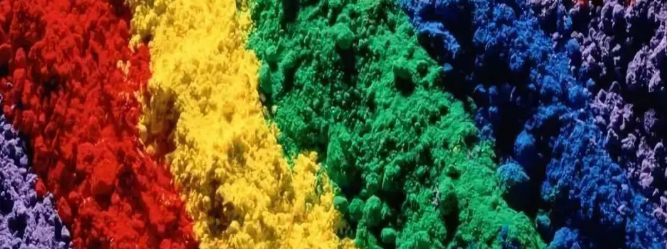
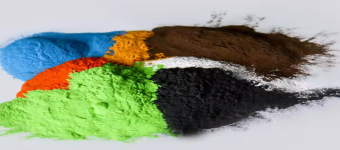
First, let's clarify its nature: powder coating is completely different from ordinary paint—it's a solid powder, requiring no solvent dilution. After being sprayed onto a metal surface, it's "baked" into a dense film by high temperatures. This is like coating the metal with a layer of "sugar," making it both attractive and durable.
Its popularity stems from its "environmentally friendly + cost-effective" nature: it has no pungent solvent smell, the leftover powder can be recycled and reused, and even the national "dual-carbon" policy is giving it the green light. While the variety isn't as extensive as solvent-based coatings, it can be categorized into "indoor" and "outdoor" versions based solely on resin type, sufficient for most scenarios.
Indoor environments are sheltered from wind and sun, but the requirements for adhesion and scratch resistance are just as high. These two types of powder coatings are standard for indoor metal parts:
It's like giving metal a "bulletproof vest"—using high-molecular-weight epoxy resin as a base, the coating reacts with the curing agent, allowing it to adhere tightly to the metal. A light tap with a hammer won't even leave a dent; wiping the surface with alcohol or weak acids won't cause discoloration or peeling. Moreover, it can achieve a mirror-like shine, making items like security doors and electrical meter boxes look both high-quality and durable.
However, it has a slight drawback: it's sensitive to sunlight. If used outdoors, weeks of exposure to high temperatures will cause it to yellow and become brittle. Therefore, its primary application is indoors: it's used for corrosion protection of steel bars, water pipe valves, gas cylinders, and even metal parts of agricultural machinery. Even components requiring insulation, such as motor rotors, benefit from its superior insulation—more than three times stronger than ordinary paints.
If you want both the durability of epoxy and the aesthetics of polyester, this is the perfect choice. Epoxy resin provides the "durability," while polyester resin provides the "beauty," creating high-gloss, matte, and even metallic shimmer effects when mixed. It's used in household hardware handles, refrigerator casings, medical equipment, and interior parts of new energy vehicles.
However, it's also sensitive to sunlight—if installed on outdoor railings, the color will turn gray within three months. Therefore, its ideal location is indoors or in sheltered semi-outdoor areas, such as server racks, cabinets, and metal furniture frames, where it can withstand daily wear and tear and maintain its color for several years.
Outdoor metal structures have to contend with UV rays, rain, and temperature fluctuations. Ordinary coatings will peel after less than six months. Pure polyester powder coating is tailor-made for this harsh environment: It uses saturated polyester resin as a base, mixed with UV-resistant pigments, like adding a layer of sunscreen to the coating. When sprayed on architectural aluminum profiles, even after a month of rain during the southern rainy season followed by intense summer sun, the color won't fade; highway guardrails sprayed with it can withstand salt spray corrosion and won't rust through for 10 years.
Moreover, its appearance is also impressive: glossy, matte, and even sandstone-like textures are available. Now, outdoor fitness equipment in cities, the shells of new energy vehicles, and the booms of agricultural machinery almost all rely on it to "hold up the show"—it can withstand wind and sun exposure and maintain a glossy finish as if it were just sprayed.
Why do factories and construction sites love to use it now? There's a reason—its advantages precisely address users' pain points:
It contains no solvents, has no pungent odor when sprayed, and doesn't release harmful gases like paint. For homes with pregnant women or children, using it for metal furniture eliminates the need to wait for the odor to dissipate. Moreover, it doesn't even contain heavy metals, so using it on conveyor belts in food processing machinery won't contaminate food.
When spraying paint, half of the coating flows into the wastewater, but the remaining powder coating can be recycled and reused, with a utilization rate of up to 95%. Even more impressive is that it doesn't require a primer and can be sprayed to a thickness of 0.5 mm in a single coat—saving half the labor time for items like water pipes that require a thick coating for corrosion protection.
Ordinary paint sprayed on metal will peel off after a year, while powder coating can withstand it: scratches from keys won't leave marks, heavy impacts won't crack, and even splashes of strong acids and alkalis will wipe it clean and make it look brand new. For example, offshore wind turbine towers coated with it can withstand 15 years of salt spray corrosion, lasting 10 years longer than traditional anti-corrosion paint.
No need to mix paint or wait for the primer to dry; simply pour the powder into the spray gun, connect it to the electrostatic discharge, and you're good to go. Even beginners with no painting experience can achieve an even and smooth finish by controlling the gun distance. Moreover, it only takes 20 minutes to cure, and you can go directly into the oven after spraying. Hundreds of parts can be sprayed per day, making it a favorite "high-efficiency performer" in factories.
It's a solid powder, unlike paint which is susceptible to freezing and sun damage. It can be stored in a warehouse for a year without clumping as long as it's properly sealed. During transportation, it doesn't need "dangerous goods" labels, and can be sent by courier without much effort—for small factories, the savings on shipping and warehousing costs alone can be substantial.
Powder coatings are like "custom-made protective suits" for metal: indoor use uses pure epoxy or epoxy-polyester blends to withstand daily wear and tear; outdoor use uses pure polyester to withstand wind and sun. It's not only environmentally friendly and cost-effective, but it also makes metal structures both aesthetically pleasing and durable—the current annual consumption of 2.8 million tons of powder coatings in China is not without reason.
Whether installing security doors at home or building metal railings on a construction site, choosing the right type is crucial: select the resin based on the environment, and choose the effect based on your needs. This will save you money and extend the life of your items for many years. This is probably why it became popular from the industrial sector to the home improvement sector – it's practical and hassle-free, who wouldn't love it?


Company Phone
+86-21-6420 0566
Working hours
Monday to Friday
Mobile phone:
13816217984
Email:
info@qinsun-lab.com