Whether it’s the dumbbells in a bustling gym, the basketball hoops in a community park, or the yoga props in a home studio, sports equipment endures constant use, impacts, and even harsh weather. The right coating isn’t just a “cosmetic touch”—it’s the key to extending gear life, ensuring user safety, and keeping equipment looking fresh. Sports equipment powder coating stands out as a tailored solution, blending solvent-free eco-friendliness, industrial-grade durability, and customizable aesthetics to fit every sports scenario. This guide breaks down how to choose and apply Sports equipment powder coating for common use cases, solving the pain points of wear, corrosion, and safety that plague generic coatings. Let’s turn “short-lived gear” into “long-lasting companions” with targeted coating solutions.
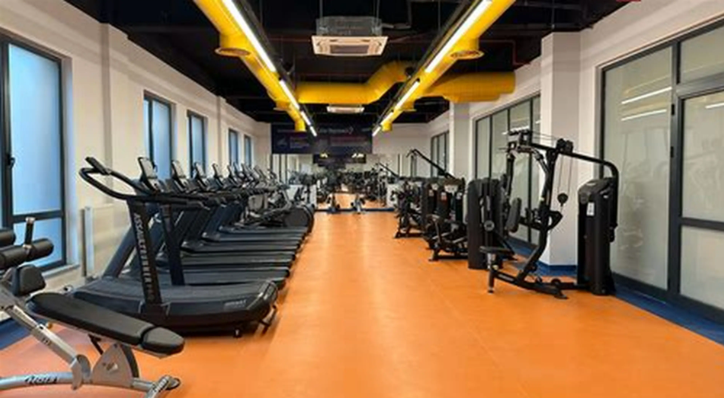
1. Gym & Fitness Center Equipment: Wear-Resistant & Eco-Friendly
Gym equipment faces the harshest daily use: dumbbells clink against racks, weight plates slide on bars, and machines endure constant sweat and friction. For these high-traffic tools, Sports equipment powder coating needs to balance extreme wear resistance and eco-friendliness (critical for closed gym spaces).
Key Adaptation Needs
- Sweat & chemical resistance: Gym gear is exposed to sweat (which contains salt and oils) and cleaning chemicals—Sports equipment powder coating must resist discoloration and peeling from these substances.
- Anti-scratch & impact resistance: Dumbbells dropped on racks or weight benches bumped during workouts need a coating that won’t chip or expose bare metal.
- Eco-safety: Closed gyms trap air, so solvent-free Sports equipment powder coating avoids harmful VOC emissions, protecting trainers and members’ health.
Scenario-Specific Adaptation Tips
- Recommended formulations: Choose scratch-resistant (pencil hardness ≥2H) and anti-fingerprint variants of Sports equipment powder coating. Matte or semi-gloss finishes work best—they hide minor smudges and wear, reducing the need for frequent cleaning.
- Application focus: For weight plates and dumbbell handles, control the film thickness to 70-90μm—thick enough to absorb impacts, but not so thick that it affects grip. Ensure full coverage on edges and welds (where wear often starts); Sports equipment powder coating’s excellent flowability ensures no “bare spots” here.
- Real-world results: A downtown gym switched to Sports equipment powder coating for its 200+ dumbbells and weight benches. After 18 months of heavy use, the coating showed no significant scratches or peeling, and cleaning time was cut by 30% (thanks to the anti-fingerprint finish). Members also reported fewer “sticky” handles—a common issue with old liquid-painted gear.
2. Outdoor Sports Facilities: Weather-Defying & Corrosion-Resistant
Outdoor sports gear—basketball hoops, soccer goals, tennis court nets, and park fitness stations—battles sun, rain, snow, and even salt spray (in coastal areas). Here, Sports equipment powder coating’s top priority is all-weather durability and corrosion resistance to avoid rust and fading.
Key Adaptation Needs
- UV & rain resistance: Prolonged sun exposure fades generic coatings, while rain seeps into cracks to cause rust—Sports equipment powder coating must lock out moisture and block UV rays.
- Salt & humidity resistance: Coastal parks or humid regions need extra anti-corrosion protection to prevent metal parts from corroding.
- Low maintenance: Outdoor facilities are hard to frequent touch-ups—Sports equipment powder coating should stay intact with minimal cleaning.
Scenario-Specific Adaptation Tips
- Recommended formulations: Opt for weather-resistant Sports equipment powder coating with added UV stabilizers and anti-corrosion additives. Glossy or semi-gloss finishes work well outdoors—they shed rainwater easily and resist dirt buildup.
- Application focus: For steel parts like basketball hoop poles or soccer goal frames, pre-treat the metal with zinc phosphate (to boost corrosion resistance) before applying Sports equipment powder coating. Cure at 180-200℃ for 12-15 minutes to form a dense, water-tight film. For moving parts (like swing arms on park fitness gear), avoid overly thick coatings—60-70μm balances protection and flexibility.
- Real-world results: A community park in a coastal city used Sports equipment powder coating for its basketball hoops and outdoor fitness stations. After 2 years of salt spray and heavy rain, the poles showed no rust, and the red coating on the hoops retained its vibrancy—no chalking or fading. Park staff noted they’d previously repainted gear every 6 months; now, maintenance is just a monthly wipe-down.
3. Home Sports & Fitness Gear: Safe, Aesthetic & Durable
Home sports equipment—yoga blocks, resistance band anchors, mini trampolines, and kids’ play sets—needs to check three boxes: safety for families, blending with home decor, and standing up to occasional rough use. Sports equipment powder coating here trades “industrial toughness” for “gentle durability” without sacrificing performance.
Key Adaptation Needs
- Non-toxic safety: Gear used by kids or in living spaces must be free of harmful chemicals—solvent-free Sports equipment powder coating is non-negotiable.
- Aesthetic flexibility: Home gear should match interior styles (e.g., minimalist yoga props, colorful kids’ play sets) instead of looking “industrial.”
- Light wear resistance: While use is less intense than gym gear, home equipment still needs to resist scratches from moving or storage.
Scenario-Specific Adaptation Tips
- Recommended formulations: Choose low-gloss or textured Sports equipment powder coating for yoga blocks and resistance band anchors—they add grip (critical for slippery props) and hide minor scratches. For kids’ play sets (like small basketball hoops or balance beams), opt for vibrant, lead-free color variants that meet toy safety standards.
- Application focus: For small, intricate parts (like the hinges on a foldable workout bench), use electrostatic spraying to ensure uniform coverage—Sports equipment powder coating’s fine particle size ensures no gaps. Cure at a slightly lower temperature (170℃ for 20 minutes) if the gear has plastic components nearby, avoiding heat damage.
- Real-world results: A family in a suburban home coated their wooden-framed yoga blocks with Sports equipment powder coating’s matte white finish. Not only did the coating protect the wood from sweat stains, but it also blended seamlessly with their neutral living room decor. After a year of weekly use, the blocks showed no warping or discoloration—unlike the uncoated blocks they’d replaced earlier.
4. Professional & Competitive Sports Gear: High-Precision & Performance-Stable
Professional gear—like cycling frames, weightlifting bars, and martial arts training equipment—demands more than just durability: it needs precision, lightweight performance, and consistent functionality. Sports equipment powder coating here acts as a “performance enhancer,” not just a protector, avoiding the bulk or unevenness that generic coatings add.
Key Adaptation Needs
- High precision: For gear like weightlifting bars or cycling components, even 0.1mm of coating unevenness can affect grip or aerodynamics—Sports equipment powder coating must deliver uniform thickness.
- Lightweight & strong: Professional athletes need gear that’s light but tough; the coating should add minimal weight while boosting impact resistance.
- Chemical stability: Gear used in specialized training (e.g., martial arts pads exposed to disinfectants) needs to resist breakdown from harsh cleaners.
Scenario-Specific Adaptation Tips
- Recommended formulations: Choose thin-film (50-60μm) Sports equipment powder coating with high tensile strength for cycling frames and weight bars—this reduces weight while maintaining scratch resistance. For martial arts gear like kick shields, opt for flexible variants that bend with the padding without cracking.
- Application focus: Use automated electrostatic spraying for professional gear—this ensures the film thickness varies by no more than 5μm across the entire surface. For metal parts that need welding , mask weld areas before coating, then reapply a small amount of Sports equipment powder coating post-welding to avoid corrosion hotspots.
- Real-world results: A professional cycling team coated their training bike frames with Sports equipment powder coating’s matte black variant. The thin, uniform film added just 15g to each frame (far less than liquid paint) while resisting scratches from transport. After 6 months of daily training rides, the frames retained their sleek look, with no chips or peeling from accidental drops.
5. Universal Guide: How to Choose & Maintain Sports Equipment Powder Coating
No matter the scenario, getting the most out of Sports equipment powder coating boils down to three key steps: smart selection, proper pre-treatment, and simple maintenance.
Step 1: Choose the Right Formulation
- Prioritize wear resistance for high-use gear (gym machines, dumbbells): Look for Sports equipment powder coating with a wear resistance rating of ≥500 cycles (per ASTM D4060).
- Prioritize weather resistance for outdoor gear: Select variants with UV stabilizers and salt spray resistance of ≥1000 hours (per ASTM B117).
- Prioritize safety for home/kid gear: Confirm the coating is lead-free, phthalate-free, and meets toy safety standards (e.g., EN 71-3).
Step 2: Prep the Substrate (Critical for Adhesion)
- Metal gear: Degrease to remove oil and rust (use sandblasting for heavy rust, chemical degreasing for light grime). For steel, add a zinc phosphate pre-treatment to boost anti-corrosion; for aluminum, use chromate conversion to strengthen adhesion.
- Wooden gear (e.g., yoga blocks): Sand the surface to 180-grit smoothness, then apply a primer compatible with Sports equipment powder coating to prevent moisture absorption.
- Plastic gear (e.g., kids’ play sets): Use a plastic-specific Sports equipment powder coating and pre-treat with a adhesion promoter to avoid peeling.
Step 3: Simple Maintenance to Extend Life
- Daily cleaning: Wipe gym/outdoor gear with a damp cloth and mild detergent—avoid harsh chemicals (like bleach) that can break down the coating.
- Damage repair: For small scratches, lightly sand the area, clean with compressed air, then recoat with a small amount of Sports equipment powder coating (reduce spraying voltage to 40-50kV for seamless blending).
- Storage: Keep unused gear (e.g., seasonal outdoor equipment) in a dry, cool space—Sports equipment powder coating’s shelf life is 12 months under ≤30℃, but proper storage prevents moisture-related issues.
6. Summary: Sports Equipment Powder Coating—Tailored Protection for Every Game
Sports equipment powder coating isn’t a “one-size-fits-all” solution—it’s a flexible tool that adapts to the unique demands of gyms, parks, homes, and professional arenas. By focusing on wear resistance for gym gear, weather resistance for outdoor facilities, safety for home use, and precision for professional equipment, it solves the pain points that generic coatings can’t touch. Add in its solvent-free eco-friendliness and customizable aesthetics, and it’s easy to see why Sports equipment powder coating has become the go-to choice for fitness centers, communities, and athletes alike.
Whether you’re a gym owner tired of replacing worn dumbbells, a park manager fighting rust on basketball hoops, or a parent wanting safe, durable home gear, Sports equipment powder coating delivers. It turns “constant replacements” into “long-term investments,” letting everyone focus on what matters most—staying active, having fun, and enjoying the game. With the right scenario-specific approach, Sports equipment powder coating doesn’t just protect gear—it protects the joy of sports.
If you're ready to take the next step, Leave your message below and we’ll reply soon. 20+ years of chemical manufacturing & export experience, a partner you can trust.