Time: Popularity:0times
Buildings do more than stand upright—they endure. From blistering sun and driving rain to airborne pollutants and seasonal temperature swings, exterior materials face a gauntlet of environmental stresses. PVC Powder Coating for Building Protection has emerged as a powerful solution that combines robust surface defense with design versatility. Building owners, architects, and contractors increasingly turn to this technology because it not only protects metal surfaces but also preserves aesthetics and reduces lifecycle maintenance.
In this article, we’ll explore what makes PVC Powder Coating for Building Protection exceptional, how it compares with other coating systems, where it’s best applied, and practical guidance on selecting and specifying coating solutions that safeguard structures while supporting modern design goals.
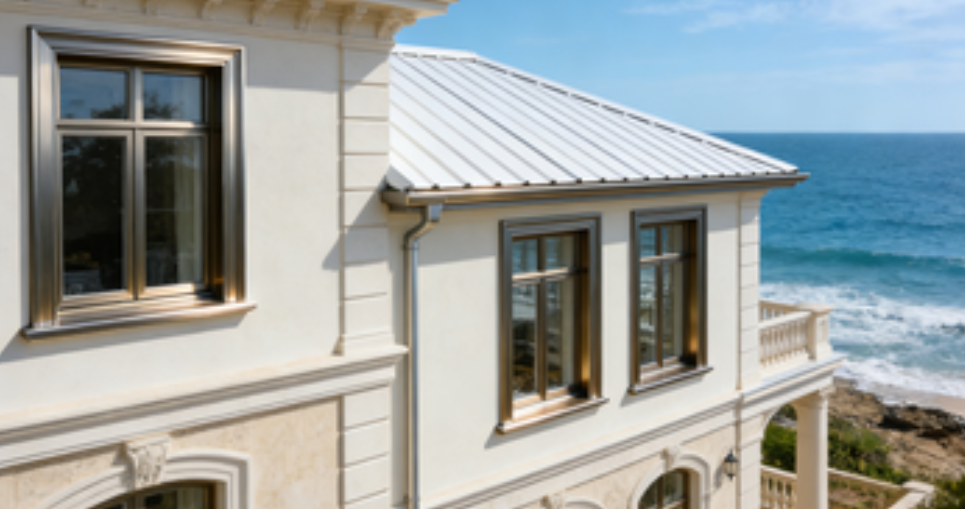
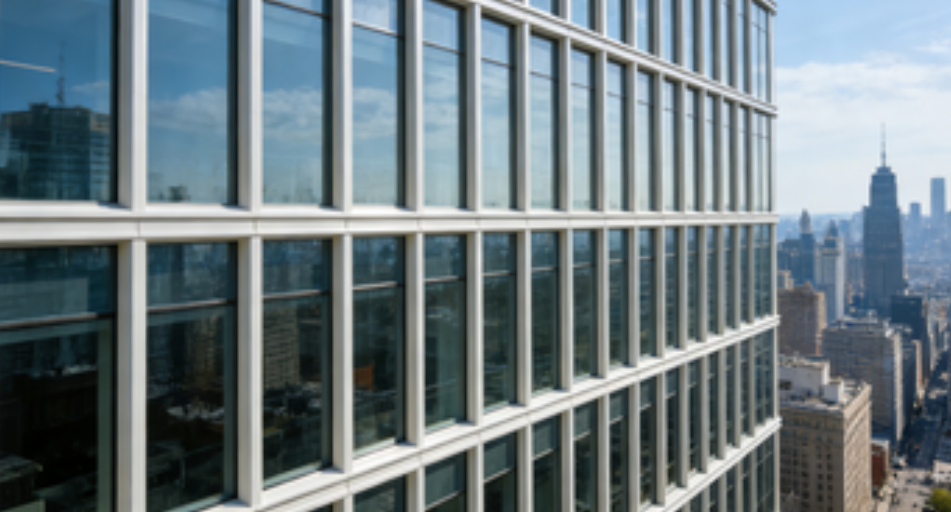
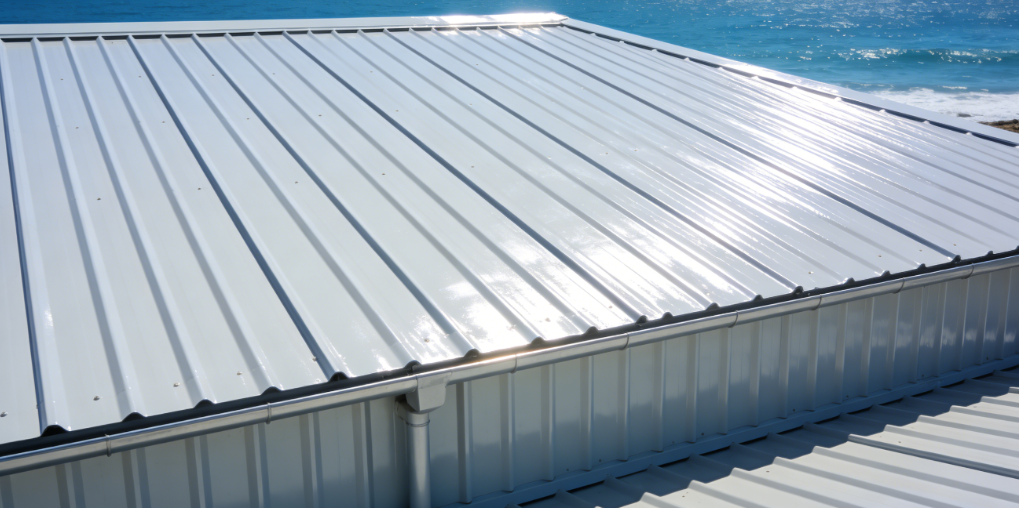
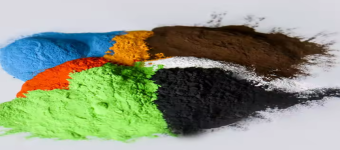
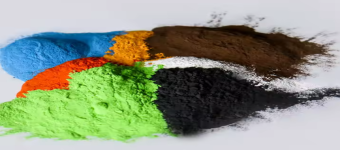
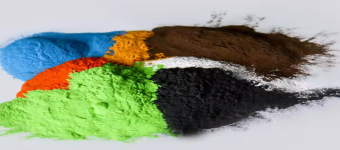
PVC Powder Coating for Building Protection refers to coatings made from polyvinyl chloride (PVC) resin blended with plasticizers, stabilizers, pigments, and additives to form a thermoplastic powder. When applied and heated, the powder melts and forms a continuous, durable film on metal substrates. Unlike many traditional liquid paints, PVC powder coatings create thick, resilient layers that provide extended protection in outdoor settings.
PVC’s polymer structure offers a unique balance of flexibility and resilience. This allows PVC Powder Coating for Building Protection to absorb mechanical stress, resist environmental factors, and form a barrier against moisture and corrosion. PVC coatings are particularly suited to exterior building elements that are exposed to the elements or are expected to endure daily wear and tear.
Buildings face rain, ultraviolet (UV) radiation, temperature fluctuations, and humidity. PVC Powder Coating for Building Protection forms a protective film that withstands moisture and moderates the effects of weathering, reducing the risk of structural rust and surface deterioration over time.
Steel and other metals used in façades, guardrails, and structural components are vulnerable to corrosion. PVC coatings create a dense barrier that shields metal surfaces from corrosive elements, including salt spray in coastal environments or pollutants in urban air.
Exterior architectural elements are subjected to abrasion, impact, and vibration. The thermoplastic nature of PVC Powder Coating for Building Protection allows it to flex without cracking or flaking, prolonging the life of the finished surface.
PVC coatings also offer good electrical insulation properties, which can be beneficial for metal components near electrical fixtures or lighting systems on building exteriors. This helps reduce conductivity risks without compromising protective performance.
While protection is critical, appearance matters too. PVC Powder Coating for Building Protection is available in a wide range of colors and finishes, allowing designers to maintain architectural intent without sacrificing durability.
Roofs and fascia panels must resist continuous weathering and temperature extremes. PVC Powder Coating for Building Protection provides a robust layer that helps prevent corrosion and fading, ensuring long-term performance and visual consistency across the roofline.
Façade panels, whether steel, aluminum, or composite, benefit from the protective performance of PVC coatings. Color retention, moisture resistance, and UV tolerance help preserve the appearance and integrity of building exteriors.
High-touch or high-traffic elements like guardrails and handrails require coatings that resist abrasion and exposure to external conditions. PVC Powder Coating for Building Protection helps retain both structural strength and visual appeal.
From window trims and sunshades to decorative metal components, PVC powder coatings protect smaller architectural elements that enhance building design while enduring weather and wear.
Understanding the climate and exposure your building faces is key. Coastal regions, industrial zones, and areas with intense UV radiation place higher demands on coatings. PVC powder coatings tailored for these environments deliver better long-term performance.
One of the strengths of PVC Powder Coating for Building Protection is the ability to achieve thicker film builds. Thicker layers improve barrier properties and help mask minor substrate imperfections. Proper film thickness enhances corrosion resistance and mechanical protection without compromising appearance.
For optimal adhesion and durability, metal surfaces should be properly cleaned, pretreated, and, where needed, primed before application. Careful preparation helps PVC Powder Coating for Building Protection bond tightly and perform reliably through varying conditions.
Selecting a finish that complements the building’s design aesthetics is equally important. From matte tones that blend with natural materials to bold colors that make a statement, PVC coatings provide flexible options.
A common way to apply PVC Powder Coating for Building Protection is through fluidized bed dipping. Pre-heated components are dipped into a bed of fluidized powder, causing the PVC to melt and fuse evenly over the surface.
For parts with complex geometries or intricate profiles, electrostatic powder spraying ensures even coverage. The charged powder particles are attracted to the grounded metal surface, resulting in uniform film deposition.
After application, controlled curing and cooling solidify the coating, locking in protective properties and ensuring the finish remains durable and visually stable over time.
Compared with traditional liquid paints, PVC Powder Coating for Building Protection generally offers improved abrasion resistance, reduced fading, and lower maintenance requirements. Cured PVC films deliver a thicker, more resilient protective layer that withstands environmental stress more effectively.
PVC powder coatings are solvent-free and emit negligible volatile organic compounds (VOCs) during application, contributing to cleaner work environments and reducing paint waste. Powder overspray can often be reclaimed and reused, making the process more sustainable.
Buildings with powder-coated elements tend to require fewer touch-ups and repainting cycles. Over the lifespan of a structure, this can translate to lower total ownership costs and less disruption due to maintenance. PVC Powder Coating for Building Protection is designed not just for initial performance, but sustained protection, often lasting decades with appropriate care.
PVC Powder Coating for Building Protection combines weather resistance, corrosion defense, mechanical resilience, and design flexibility into a single coating solution. It shields architectural metals from moisture, UV radiation, and daily wear, all while maintaining aesthetic appeal. Whether used on roofs, façades, handrails, or metal details, this coating technology delivers long-term value in protecting the built environment.
For projects where longevity, appearance, and environmental performance matter, PVC Powder Coating for Building Protection offers a smart, durable choice—giving structures a finish that stands up to both nature and time.


Company Phone
+86-21-6420 0566
Working hours
Monday to Friday
Mobile phone:
13816217984
Email:
info@qinsun-lab.com