Time: Popularity:0times
Exterior coatings on buildings must cope with more than sunlight and rain. In many regions, freezing winters, rapid temperature swings, snow, and ice can challenge surface durability just as much as ultraviolet exposure. That’s where Low Temperature Resistant PVDF Powder Coating steps up — offering exceptional protection that stays flexible, resilient, and visually stable in environments that swing from sub-zero mornings to sunlit afternoons.
Low Temperature Resistant PVDF Powder Coating leverages the proven weather resistance and color retention of polyvinylidene fluoride (PVDF) chemistry, but with enhanced performance tailored for cold climates. In this article, we explore how it works, where it shines, and how to specify it for building projects that demand long-lasting performance in low-temperature zones.
PVDF is a high-performance fluoropolymer widely used for architectural finishes because of its UV stability, chemical resistance, and durability. The carbon-fluorine bonds in PVDF provide a stable, inert film that resists chalking, fading, and environmental stressors, even after decades of outdoor exposure.
Low Temperature Resistant PVDF Powder Coating builds on these strengths by maintaining flexibility and film integrity at low environmental temperatures. A well-engineered PVDF matrix resists cracking and embrittlement below freezing while preserving protective performance across the building’s service life.
One of the reasons PVDF finishes are popular in architecture is their ability to retain color and gloss over many years. With Low Temperature Resistant PVDF Powder Coating, this aesthetic stability persists even in chilly climates, allowing building facades and metal trim to remain vibrant without unnecessary repainting or maintenance.
Materials shrink and expand as temperatures fluctuate. If a coating becomes brittle in the cold, it risks cracking or losing adhesion. Low Temperature Resistant PVDF Powder Coating is formulated to maintain flexibility at low temperatures, helping surfaces move with the substrate rather than against it — crucial for exterior panels, window frames, and metal detailing.
Even in cold regions, sunlight can be intense, especially at higher altitudes or when reflected off snow. PVDF’s fluorocarbon base ensures that surfaces resist UV-induced degradation, helping Low Temperature Resistant PVDF Powder Coating maintain color and gloss for years.
Freeze-thaw cycles can drive moisture into substrate surfaces, accelerating corrosion if the coating fails. The dense, chemically stable film offered by Low Temperature Resistant PVDF Powder Coating acts as an effective moisture barrier, reducing the risk of rust and surface deterioration even where ice and snow accumulate.
Acidic rain, salt spray from road treatments, and industrial pollutants can erode weaker coatings. PVDF’s inherent chemical resistance helps shield building materials from these agents while preserving structural and visual integrity.
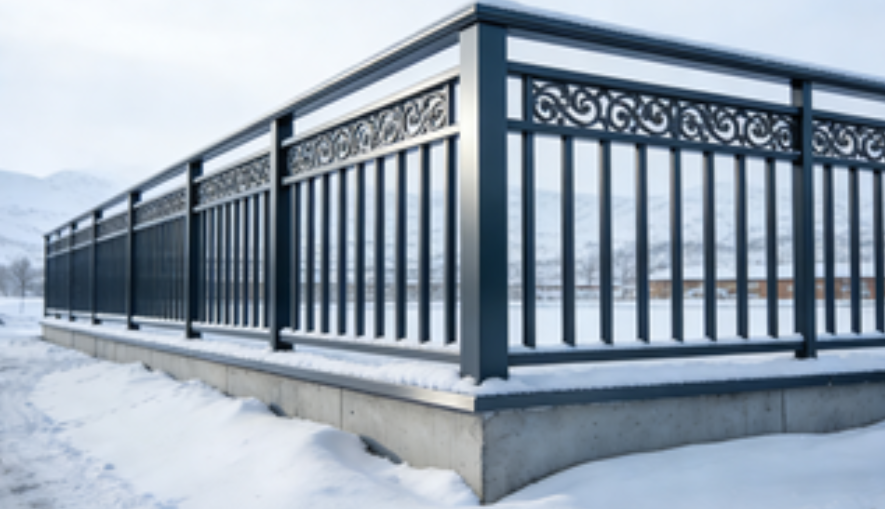
Architectural façades benefit greatly from the performance of Low Temperature Resistant PVDF Powder Coating in cold climates. It preserves appearance and protective properties through freeze-thaw cycles, heavy snowfall, and temperature swings.
Roof metals and flashings are constantly exposed to drastic temperature changes — from ice buildup overnight to solar heating by midday. A cold-tolerant PVDF finish helps ensure that these elements remain protected and visually consistent over time.
Even smaller elements like aluminum window frames or metal balustrades can face thermal stress in cold climates. Low Temperature Resistant PVDF Powder Coating provides performance and protection that align with architectural demands without compromise.
Design elements such as trim, louvers, and decorative metalwork also benefit from coatings that stay flexible in sub-zero environments, helping prevent early wear and failure.
When specifying Low Temperature Resistant PVDF Powder Coating, it’s important to understand your project’s exposure. Regions with frequent freeze-thaw cycles, heavy snow, or polar night conditions benefit most from coatings engineered to sustain performance at low temperatures.
Metals expand and contract with temperature changes. Coatings must accommodate this movement without cracking or losing adhesion. Low Temperature Resistant PVDF Powder Coating is designed with flexibility in mind, reducing brittleness and helping surfaces move together rather than separate.
Like all high-performance coatings, good surface preparation is key. Proper cleaning, degreasing, and pretreatment ensure that Low Temperature Resistant PVDF Powder Coating bonds well to substrates, laying the foundation for long-lasting performance even in tough environments.
PVDF systems can be formulated in a wide range of colors and textures. When paired with careful specification, Low Temperature Resistant PVDF Powder Coating helps maintain visual design intent while providing robust environmental performance.
Electrostatic spray deposition is a common method for applying Low Temperature Resistant PVDF Powder Coating to building panels and metal components. Charged powder particles adhere to grounded substrates, creating uniform coverage before curing.
PVDF powders are typically cured at elevated temperatures to form a dense, adherent film. Maintaining precise curing conditions is essential to develop the full protective and mechanical performance of the coat.
After application, thorough inspection for uniform coverage, adhesion, and color consistency ensures that Low Temperature Resistant PVDF Powder Coating meets performance expectations before installation.
Part of what makes PVDF systems attractive is their low maintenance profile. The coating’s dense, chemical-resistant surface stands up to dirt, moisture, and environmental contaminants, often needing only occasional gentle cleaning to preserve appearance.
Low Temperature Resistant PVDF Powder Coating is designed to handle repeated heating and cooling cycles without significant surface degradation. This contributes to long service life and reduced life-cycle costs.
Because PVDF coatings resist UV-induced fading and chalking, surfaces remain vibrant and uniform even through long seasonal exposure. This helps retain both aesthetic appeal and protective value.
Yes. Engineered PVDF coatings have demonstrated stability through freeze-thaw testing without blistering, cracking, or delamination, maintaining performance even in cold climates.
Properly formulated PVDF coatings resist color shift and glossy deterioration, maintaining visual quality even after years of environmental exposure.
Low Temperature Resistant PVDF Powder Coating adheres well to common substrates like aluminum and galvanized or coated steel when surface prep is done correctly.
Low Temperature Resistant PVDF Powder Coating bridges the gap between architectural ambition and environmental reality. Tailored for cold climates, it preserves both visual appeal and protective integrity across harsh weather cycles, dramatic temperature swings, and continuous environmental stress.
From façades and roofing to window systems and exterior accents, this advanced coating solution ensures building materials remain protected and vibrant through years of service. For projects that face the extremes of winter without compromise, Low Temperature Resistant PVDF Powder Coating stands as a dependable, high-performance choice — delivering resilience and refined aesthetics in equal measure.


Company Phone
+86-21-6420 0566
Working hours
Monday to Friday
Mobile phone:
13816217984
Email:
info@qinsun-lab.com