Time: Popularity:0times
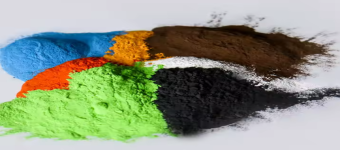
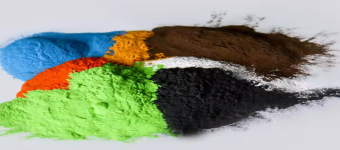
High-end color powder coating is a type of powder coating that meets high standards in color saturation, color difference control, batch stability, and surface finish, satisfying the needs of high-end decoration and brand customization.
This article systematically introduces the concept, characteristics, functions, applications, selection considerations, and solutions to common problems associated with high-end color powder coating. It focuses on the specific applications of high-end color powder coating to help readers better understand what it is, as well as its characteristics and functions.
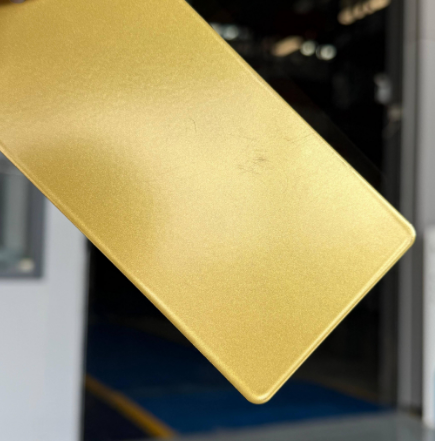
High-end color powder coating refers to a powder coating applied in powder form and cured at high temperatures to form a film. It significantly outperforms conventional products in color performance, color difference control, batch consistency, and surface finish, primarily serving high-end decorative applications and brand customization needs.
The main characteristics of high-end color powder coating are as follows.
1. Strong Color Performance
The pigments are uniformly dispersed, delivering high color saturation, pure and vivid colors, and strong hiding power. This enables accurate reproduction of design colors. Color difference is strictly controlled, with the typical requirement being ΔE ≤ 0.5 within and between batches, which is much stricter than the ΔE ≤ 1.5 requirement for ordinary products. This meets the stringent color consistency requirements of high-end customers.
2. Excellent Batch Stability
Products from different batches maintain a high degree of color consistency. Even with long-term supply, color uniformity can be maintained, avoiding color difference complaints and rework caused by batch variations.
3. Superior Surface Finish
A variety of premium finishes can be achieved, including high gloss, matte, sand texture, hammer tone, metallic, pearlescent, and wood grain effects. Metallic and pearlescent finishes use a bonding process to firmly bond metallic pigments with powder particles, providing a strong metallic appearance and good weather resistance.
4. Strong Weather Resistance and Color Retention
High-weatherability pigments and resin systems are selected to resist fading, discoloration, and gloss loss during prolonged outdoor use. After 1.000 hours of xenon-arc aging, high-quality products can achieve a gloss retention rate of over 80% and a color difference of ΔE ≤ 1.5.
5. Excellent Mechanical Properties
The coating offers strong adhesion, high hardness, and impact resistance, while also providing good flexibility to meet the overall performance requirements of high-end applications.
6. Environmental Safety
It contains no organic solvents and produces low VOC emissions, meeting environmental regulations and green manufacturing requirements. It also offers the general advantages of powder coatings, including single-coat film formation and powder recovery.
The main functions of high-end color powder coating are reflected in the following aspects.
1. Decorative Enhancement
It provides highly saturated, precisely controlled colors and a variety of surface finishes, including high gloss, matte, sand texture, metallic, pearlescent, and wood grain effects. These significantly enhance product appearance and visual appeal, meeting high-end decorative requirements.
2. Brand Identification
By using precise, brand-specific colors and maintaining consistent color across batches, it helps achieve uniform product colors, strengthen brand visual recognition, and enhance brand image and product recognizability.
3. Protective Performance
While improving appearance, it also protects the substrate against weathering, corrosion, scratches, and other forms of damage, extending product service life and maintaining long-term color stability.
4. Added Value
Premium colors and surface finishes give products greater added value and market competitiveness, helping them stand out from similar products and supporting premium positioning and pricing.
Where is high-end color powder coating used? Its specific applications include the following.
1. High-End Architecture
Landmark curtain walls, premium doors and windows, and decorative components require long-lasting color stability and strong weather resistance to maintain architectural appearance over time. Metallic, pearlescent, and wood grain finishes are commonly used for high-end curtain walls and decorative trims.
2. Automotive Industry
Applications include wheels, decorative components, and exterior parts for new energy vehicles, where color saturation, metallic appearance, and weather resistance are important. High-end color powder coatings can provide an appearance comparable to liquid paint while meeting environmental requirements.
3. Household Appliances
Premium refrigerators, washing machines, air conditioner panels, and other appliances require precise colors, sophisticated finishes, and batch consistency to match premium brand positioning and maintain a unified design language.
4. Furniture and Hardware
High-end custom furniture, bathroom hardware, door and window hardware, and similar products use finishes such as sand texture, matte, and metallic effects to enhance product quality and meet personalized customization requirements.
5. Sports Equipment
Bicycle frames, fitness equipment, and outdoor gear require vivid colors, weather resistance, and wear resistance while also taking lightweight design and environmental protection into account.
6. Brand Customization
Corporate identification colors, brand-specific colors, limited-edition color schemes, and other customized colors rely on precise color matching and batch stability to achieve consistent brand visuals and product differentiation.
When selecting high-end color powder coating, it can be difficult to determine which product is most suitable. Based on our industry experience, we recommend focusing on the following factors.
1. Define Color Accuracy Requirements
High-end applications have stringent color difference requirements, typically ΔE ≤ 0.5. When selecting a product, confirm the supplier's color-matching capabilities, whether a computerized color-matching system and spectrophotometer are used, and whether color difference inspection reports are available for both within-batch and between-batch consistency.
2. Confirm the Required Surface Finish
Choose the appropriate finish according to the design requirements, such as high gloss, matte, sand texture, hammer tone, metallic, pearlescent, or wood grain. For metallic and pearlescent finishes, confirm whether the bonding process is used to ensure that metallic pigments are firmly bonded to the powder particles, improving metallic appearance and weather resistance.
3. Verify the Weatherability Rating
For outdoor applications, select the weatherability rating according to the severity of the environment. High-end architectural curtain walls are recommended to follow the AAMA 2605 standard, which requires passing a 10-year Florida outdoor exposure test with gloss retention of at least 50%. AAMA 2604-grade products may be selected for general outdoor applications. Salt spray resistance should also be considered in coastal or industrially polluted environments.
4. Match the Curing Process
Confirm that the powder coating's curing window is compatible with the production line's curing oven. The standard curing conditions are 180–200°C for 10–15 minutes. Thick workpieces heat up slowly, so low-temperature-cure powder coatings, such as those curing at 160°C or lower, may be considered to reduce energy consumption and improve efficiency.
5. Check the Pigment and Resin Systems
High-end colors require highly weather-resistant pigments, such as inorganic pigments or high-performance organic pigments. The resin system should be selected according to the service environment: polyester or fluorocarbon systems are suitable for outdoor applications, while epoxy-polyester hybrid systems can be used indoors. For metallic and pearlescent finishes, confirm the pigment encapsulation treatment process.
6. Verify Batch Stability
Request color difference data from multiple production batches to ensure consistent color during long-term supply. Before placing a bulk order, request physical samples and compare them under standard lighting conditions to confirm the acceptable color difference range.
The most common problems encountered when using high-end color powder coating are outlined below. Based on our industry experience, we have proposed corresponding solutions to help effectively address powder coating issues.
1. Excessive Color Difference
Problem: Colors are inconsistent within or between batches, and ΔE exceeds the customer's permitted range.
Possible causes: Uneven pigment dispersion; variations in the pigments themselves between batches; color changes caused by fluctuations in curing temperature; insufficient accuracy of the color-matching system.
Solutions: Use computerized color matching and a spectrophotometer for strict inspection; use pigments from the same batch for the same order; stabilize the curing oven temperature; retain cured test panels from each batch for comparison.
2. Uneven Metallic or Pearlescent Finish
Problem: Metallic pigments are unevenly distributed on the coating surface, resulting in streaks, clouding, or an insufficient metallic effect.
Possible causes: An unstable bonding process; separation of powder and metallic pigments during spraying; an excessively high proportion of reclaimed powder; improper spray gun settings.
Solutions: Select products manufactured using a stable bonding process; control the proportion of reclaimed powder and avoid using reclaimed powder when necessary; optimize spray gun voltage, air pressure, and powder output; fully fluidize the powder before spraying.
3. Color Spots or Stains
Problem: Differently colored particles or spots appear on the coating surface, affecting its appearance.
Possible causes: Incomplete cleaning during color changes, leaving residual powder from the previous batch; contamination in the powder; poor dispersion during the extrusion process.
Solutions: Thoroughly clean the spray booth, powder hoses, and cyclone separator during color changes, and verify through test panels that no color contamination remains; sieve the powder before use; choose suppliers with mature dispersion processes.
4. Insufficient Weather Resistance and Color Retention
Problem: The coating fades, loses gloss, or undergoes noticeable color changes after a period of outdoor use.
Possible causes: Insufficient weatherability of the pigments; an unsuitable resin system; inadequate curing that affects weather resistance.
Solutions: Use highly weather-resistant inorganic pigments or high-performance organic pigments; use polyester or fluorocarbon systems for outdoor applications; ensure complete curing and calibrate the curing oven regularly.
5. Surface Finish Does Not Meet Requirements
Problem: The actual coating finish differs from the design sample, such as variations in sand texture coarseness or matte level.
Possible causes: Differences between powder batches; variations in coating thickness; changes in curing conditions; inconsistencies between the sample preparation conditions and actual production conditions.
Solutions: Request physical samples from the supplier that are produced under conditions consistent with mass production; maintain stable film thickness and curing parameters; conduct trial spraying and confirm the finish before mass production.
6. Poor Adhesion
Problem: The coating does not bond firmly to the substrate and peels off after cross-cut testing or impact.
Possible causes: Inadequate pretreatment; insufficient curing; an unsuitable match between the powder coating and the substrate.
Solutions: Strictly control pretreatment quality; ensure that curing temperature and time meet requirements; select a powder coating system compatible with the substrate.
High-End Color Powder Coating Solutions | Create Distinctive Colors and Exceptional Surface Finishes
Color not only determines a product's visual appearance but is also an important factor in enhancing brand recognition and product added value. We specialize in powder coating research, development, and manufacturing. Based on customers' color requirements, application scenarios, and desired surface finishes, we provide a wide range of high-end color powder coating solutions.
Whether you need fashionable solid colors, metallic finishes, low-saturation colors, or personalized custom colors, we can provide suitable powder coating products according to your specific requirements. Our solutions balance color performance, coating uniformity, adhesion, and durability to meet decorative and protective needs in furniture, architectural aluminum profiles, household appliances, lighting fixtures, and industrial metal products.
Looking for powder coatings with distinctive colors and premium surface finishes? Contact us today and tell us your target color, gloss level, texture, and application requirements to receive professional product selection advice and customized powder coating solutions.


Company Phone
+86-21-6420 0566
Working hours
Monday to Friday
Mobile phone:
13816217984
Email:
info@qinsun-lab.com